
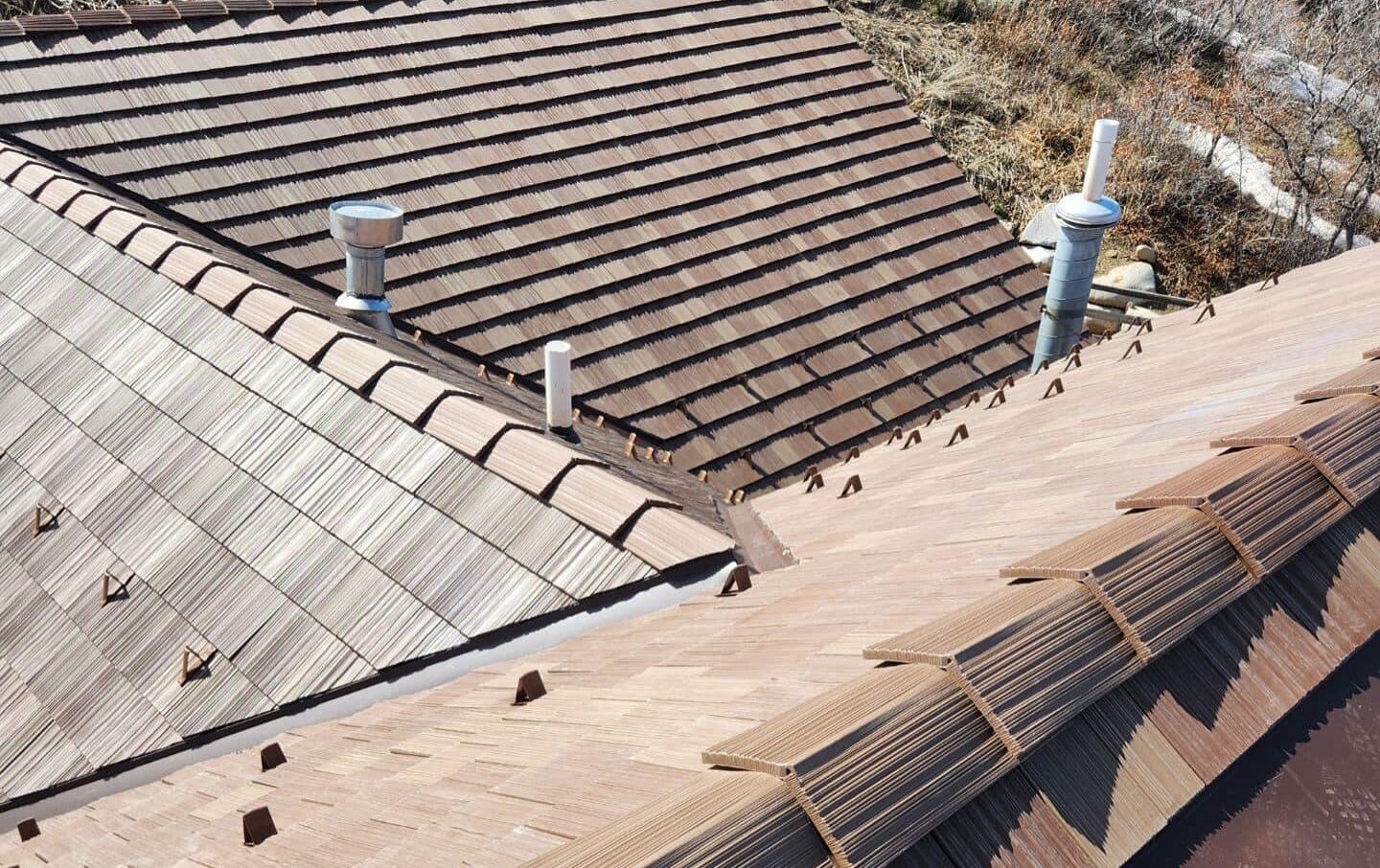
Why Spring Roof Inspections Matter in Colorado
Colorado winters are demanding on roofing systems. Snow load, freeze-thaw cycles, high winds, and ice dams all put stress on roofs—often in ways that aren’t immediately visible from the ground.
By the time spring arrives, many roofs have experienced months of expansion and contraction, moisture exposure, and debris buildup. A professional spring roof inspection helps homeowners identify small issues early, before hail season begins and before minor problems become costly repairs.
For homeowners in both the Denver Metro area and the Vail Valley, spring is the most strategic time to evaluate roof condition.
What a Professional Roof Inspection in Denver Should Include
A true roof inspection goes far beyond a quick visual check. A professional inspection should evaluate both visible surfaces and high-risk details.
- Roof Surface Evaluation
Depending on your roof system, this may include:
- Cracked, curling, or missing shingles
- Impact marks from winter hail or debris
- Granule loss on asphalt shingles
- Loose fasteners or seam issues on metal roofs
- Tile movement or underlayment exposure
- Flashing & Roof Penetrations
Many roof leaks originate at transitions rather than open field areas. Inspectors should evaluate:
- Chimney flashing
- Skylights
- Plumbing vents
- Roof-to-wall transitions
- Ice Dam & Moisture Damage
Ice dams can force water beneath roofing materials, leading to:
- Saturated underlayment
- Decking deterioration
- Interior staining
Even if no leak is visible, early indicators can often be found.
- Gutters & Drainage
Proper drainage is critical before spring storms arrive. A spring inspection should include:
- Gutter attachment and slope
- Debris buildup
- Downspout discharge
- Signs of overflow or fascia damage
- Attic & Ventilation Indicators (When Accessible)
When attic access is available, inspectors may look for:
- Signs of moisture or mold
- Ventilation performance
- Insulation displacement
Why Spring Inspections Are Especially Important Before Hail Season
Colorado’s hail season often begins in late April or May. If a roof already has winter-related damage, hail can accelerate failure or complicate insurance claims.
A documented spring inspection helps:
- Establish roof condition prior to hail
- Identify repairs that reduce vulnerability
- Avoid emergency situations mid-season
- Support smoother insurance claims if storms occur
How Often Should Homeowners Schedule Roof Inspections?
For most Colorado homes:
- Once per year is recommended
- After major storms when damage is suspected
- Before selling a home to avoid surprises
Schedule Your Spring Roof Inspection
Beacon Roofing provides professional roof inspections across Denver, the Front Range, and the Vail Valley, typically within 24–48 hours.